That has been one of the many thoughts running through my head on a regular basis. It's been a long break for this blog writer (at least when it comes to writing this blog). That's not to say there's nothing to write about. Quite the contrary. In fact life has been so jammed packed with stuff since I returned to Saipan from LA and my open-heart surgery ordeal that something ultimately had to give. I decided it would to be the blog since time taken to write about everything was taking precious moments away from the most important things in my life – my kids!
I remember a few months ago, when asked by someone about not writing on my blog. I responded with “I’m too busy just living my life and don’t really have the time (or desire) to spend additional hours telling everyone else about it!” Each day there is a “Blog Moment”. “That’s a blog post, where’s my camera, my note pad, my computer” I think most bloggers go through this, especially those who take it seriously and know the importance of posting on a regular basis. It’s like an addiction. I decided I needed to go cold turkey and take a break.
I also know that writing in general can be quite therapeutic and that during my surgical recovery this blog proved to be a very effective way of communicating with friends and family as well as tell a pretty cool story. It’s cool now only because I lived through it and have been given a clean bill of health with a renewed perspective on life and the importance of living everyday knowing it could be your last.
I also have come to realize the power of this blog. To reach out, to educate, and to network with people looking for the things that I do. This blog, directly and indirectly, has lead to many opportunities, many that may not have come knocking if it were not for the time spent contributing to it.
As with everything else in life, I think it comes down to balance. Too much of a good thing is usually not so good in the long run. Then again not doing something at all seems not only a waste but also rarely does doing so lead to good things. So, with that said, I have decided this blog will be back. It is unlikely that I will post in depth thoughts and stories everyday but rather I will mix in some very short takes and photos / video from around the islands to keep people interested in coming back and reading more. There will be some changes to the layout in the coming weeks and I hope anyone who is still following will be patient. (If you’re still following then you’ve certainly demonstrated this or you’re related to me!)
As today is Earth day I thought I’d start with the “much awaited” short clip of a Humpback Whale as captured less than a mile off the reef in front of the Palms Resort, Saipan.
Hope to see you back again tomorrow, the official start of the 28th Annual Flame Tree Festival!
Friday, April 24, 2009


Wednesday, April 22, 2009
NBC Nightly News & The Marianas Trench Marine Monument
Today is Earth Day and with any luck (no other major breaking news stories) NBC Nightly News will be airing their story on the Mariana Trench Marine Monument tonight. Check your local listings but, it should be in prime time. I'm not sure how much if any of the footage I shot for them will be used but regardless of my own personal hopes it's a pretty exciting thing for the CNMI.
Here's my letter to the editor which appeared in today's papers.
For a little more on NBC's visit to Saipan you can visit Angelo's blog here, as well as the Friends of the Monument (FOM) blog here. The Tribune also did a story. I will also be posting some photos and video once I see the story. Thanks to the internet we here in the CNMI should be able to watch it almost live. If we have to wait until next week to see it on the tape delay I'l be a pretty disapointed!
Here's my letter to the editor which appeared in today's papers.
Promises Kept.
This week, most likely on Earth Day, barring any major breaking news stories taking over the air waves, NBC Nightly News will broadcast, in prime time, a national story about the Marianas Trench Marine Monument. Likely the story will be less rah-rah environment and more, how did we get here, what now and what are the challenges ahead? Regardless, the story illustrates an important promise kept.
While much work remains to be done to realize all the benefits touted and to effectively harness the full potential of the declaration, everyone who has had a hand in making the monument a reality should hold their heads high this coming Earth Day. Be proud; together we have taken a most difficult yet monumental first step on the way to preserving one of the most special and least understood places on our planet. To that end our children will thank us, for perhaps the most important of promises has been kept, the promise to do what we can now to save our oceans and the very existence of hundreds, if not thousands, of species, potentially even our own. By doing so we have also brought a tide of change to the shores of the CNMI.
In addition to this week’s NBC story, late last week Angelo Villagomez and Ike Cabrera traveled to San Francisco where, on behalf of the Friends of the Monument, they accepted the 2009 EPA award acknowledging commitment and significant contributions to the environment. Although getting a monument declared is not necessary to receive this award, as demonstrated by Beautify CNMI winning it in 2008, the fact remains, by receiving this honor twice in successive years we now have something very important in our corner - momentum. Even the critics must recognize that this round of press alone delivers not only on the promise to bring positive world-wide attention to the CNMI but it can also be the catalyst we need to re-brand the CNMI. That is, if we don’t screw it up.
During NBC’s visit a few weeks ago, I remember hearing someone saying this will be the first time since the 1990’s one of the big 3 networks has come to the CNMI to do a national TV news story. Back then ABC did their expose on our booming, less than glamorous garment industry and the accompanying issues with human trafficking and prolific prostitution. Of course, a story like that followed by years of corruption (aka Tom Delay and Jack Abramoff) can make for a difficult image to shake long after the factories are gone and the federal government assumes control of local immigration.
Now I know an image can’t be changed overnight nor will it be changed by one 3-minute spot on the national news. However, if we play our cards right, manage the monument with due diligence and ride this wave of media coverage over the coming weeks, months and years we can do it, one story at a time.
Case in point. Following the day of diving with NBC, including 4 very different dive sites in the Grotto, Naftan Point, Ice Cream and Ship Wreck, I asked reporter Ian Williams how his day had compared to other dive days he’d experienced around the world. He enthusiastically and whole-heartedly responded with “as good as or better than any I’ve ever had”. As our conversation continued we discovered his points of reference include some very high profile places in Asia including many in Indonesia, a country generally well known for some pretty decent diving. This without even setting foot anywhere near the actual area designated as a monument. Think of the possibilities for education and tourism when yet another of the promises is met. That of a world-class visitors center on Saipan complete with a walk through replica of the Trench and live video feeds from the many research expeditions and their crews of local students and scientists. The job has really just begun; let’s work together to keep the promises and reap the benefits for the sake of our children.
For a little more on NBC's visit to Saipan you can visit Angelo's blog here, as well as the Friends of the Monument (FOM) blog here. The Tribune also did a story. I will also be posting some photos and video once I see the story. Thanks to the internet we here in the CNMI should be able to watch it almost live. If we have to wait until next week to see it on the tape delay I'l be a pretty disapointed!
Thursday, February 19, 2009
Diving With Saipan's Humpback Whales
Obviously there is more to come. Be patient, I'll be back writing again soon. I know I've been off the blog for a while but that doesn't mean there hasn't been plenty to write about. My little friend here is just one of the many stories I'll tell soon enough.
 I managed to get a short video clip of this Humpback Whale just outside the reef near the Palms Resort (Hotel Niko) on the northwest side of Saipan while enjoying a calm day on the Aqua Jet boat. Unfortunately, I didn't get a shot of the mother and her calf!!!!!!!!!
 I managed to get a short video clip of this Humpback Whale just outside the reef near the Palms Resort (Hotel Niko) on the northwest side of Saipan while enjoying a calm day on the Aqua Jet boat. Unfortunately, I didn't get a shot of the mother and her calf!!!!!!!!!
Wednesday, November 26, 2008
Big Sale at Saipan's Holiday Bazaar 2008
The 4th Annual Artists’ Holiday Sale will be held this weekend Nov. 29, from 10am to 7pm, and on Nov. 30, from 10am to 5pm, at the Multi-Purpose Center in Susupe, Saipan.
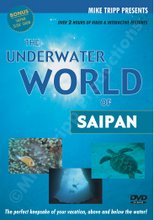
To kick off this holiday shopping season I'll be there with DVD's in hand, a TV and DVD player for anyone who wants to take a trial run before they purchase. And for this weekend only you will be able to purchase the Underwater World of Saipan DVD on sale for $20 each or 2 for $30.
 I'll be at booth 22 just as you come in the door so you won't be able to miss me. Come on down and check out all the great gift options from the other artists and vendors as well. It's a good time and there are plenty of quality gifts you will not find anywhere else but on Saipan.
To kick off this holiday shopping season I'll be there with DVD's in hand, a TV and DVD player for anyone who wants to take a trial run before they purchase. And for this weekend only you will be able to purchase the Underwater World of Saipan DVD on sale for $20 each or 2 for $30.
 I'll be at booth 22 just as you come in the door so you won't be able to miss me. Come on down and check out all the great gift options from the other artists and vendors as well. It's a good time and there are plenty of quality gifts you will not find anywhere else but on Saipan.
Thursday, November 13, 2008
Saipanda or No Saipanda
There’s a little discussion about Saipan’s unofficial mascot going on over at Lil Hammerhead’s blog. It stems from the latest Variety article in which Congressman Reyes is calling for MVA to release the royalty numbers from sales of Saipanda merchandise as well as the elimination of this mythical creature altogether. Saipanda is part panda, part rhinoceros and was introduced in 1999 as the brainchild of a Tokyo advertising company contracted by MVA. It is said to symbolize the male Japanese traveler who is a repeat visitor and is crazy about Saipan.
 (Saipanda at DFS store)
As you might imagine many people take issue with this being the CNMI’s calling card. They point to the fact that tourists might mistakenly think they are going to see panda bears when they visit the islands and that the creature has no significance to the local culture, flora or fauna. The congressman’s latest attempt to nix the creature is not the first by concerned lawmakers. Senators Pangelinan and Crisostimo raised the same concerns last year in this article from the variety.
Over the past eight years Saipanda has appeared in all shapes and sizes including a larger than life mascot that shows up for photo ops and big events such as inaugural flights and international trade shows. It is featured during the “Happy Children in Paradise” program every summer where travelers are met at the airport by the large cuddly creature and children receive Saipanda merchandise including backpacks and water bottles. The large DFS store in Garapan has a huge, towering replica situated in the middle of the souvenir section of the mall and thousands if not millions of people have had their picture taken standing next to it. Not to mention the many purchases of everything from T-shirts to key chains and chocolates bearing its likeness.
MVA also receives revenue from the sale of these tourist items and presumably uses that money to better promote the islands travel industry. How effective has it been? That’s a tough question and probably one that has not been thoroughly answered. In 2007 the variety reported:
Anyway, the real question becomes a matter of importance and priority. With all the things MVA does or does not do and their pretty hefty budget of taxpayers dollars is this really the most pressing of issues. I mean if Saipanda actually makes money for the local economy and increases awareness of our destination in our primary market shouldn’t we turn our efforts to areas that really need to be addressed?
The development of a new mascot and branding the destination will take a lot of money and it is a crapshoot at best. While not trivial, development of a recognizable brand should take a back seat to that of efforts focused on ensuring everyone who visits our islands leaves with a memorable, positive experience and images of warm, friendly hospitality. If, for the moment, a souvenir bearing our mythical creature can conjure up a desire in Japanese families to return to our island paradise than so be it.
So, the parting question for today is, if you could be the head of MVA for a day, a month, a year, what would your priority be to improve tourism for Saipan, Tinian and Rota?
Trivia Question: Did you know that in 2001 MVA paid 7,000 for a new costume for Saipanda!
 (Saipanda at DFS store)
Over the past eight years Saipanda has appeared in all shapes and sizes including a larger than life mascot that shows up for photo ops and big events such as inaugural flights and international trade shows. It is featured during the “Happy Children in Paradise” program every summer where travelers are met at the airport by the large cuddly creature and children receive Saipanda merchandise including backpacks and water bottles. The large DFS store in Garapan has a huge, towering replica situated in the middle of the souvenir section of the mall and thousands if not millions of people have had their picture taken standing next to it. Not to mention the many purchases of everything from T-shirts to key chains and chocolates bearing its likeness.
MVA also receives revenue from the sale of these tourist items and presumably uses that money to better promote the islands travel industry. How effective has it been? That’s a tough question and probably one that has not been thoroughly answered. In 2007 the variety reported:
“Only 32.2 percent of 1000 Japanese travelers surveyed were aware of the existence of the Saipanda campaign promoting the CNMI in Japan”.I’m not sure I would suggest that 1/3 of the population being aware of Saipanda should be considered as “only” since that seems to be a pretty good market share to me. Could there be a better mascot, perhaps or even likely yes but at the moment this is what we have.
Anyway, the real question becomes a matter of importance and priority. With all the things MVA does or does not do and their pretty hefty budget of taxpayers dollars is this really the most pressing of issues. I mean if Saipanda actually makes money for the local economy and increases awareness of our destination in our primary market shouldn’t we turn our efforts to areas that really need to be addressed?
The development of a new mascot and branding the destination will take a lot of money and it is a crapshoot at best. While not trivial, development of a recognizable brand should take a back seat to that of efforts focused on ensuring everyone who visits our islands leaves with a memorable, positive experience and images of warm, friendly hospitality. If, for the moment, a souvenir bearing our mythical creature can conjure up a desire in Japanese families to return to our island paradise than so be it.
So, the parting question for today is, if you could be the head of MVA for a day, a month, a year, what would your priority be to improve tourism for Saipan, Tinian and Rota?
Trivia Question: Did you know that in 2001 MVA paid 7,000 for a new costume for Saipanda!
Tuesday, November 11, 2008
Saipan Rotary’s District Governor's Charity Golf Tournament 2008
I awoke on Sunday to dark skies and rain. By the time the sun rose the clouds were parting and members of the Saipan Rotary club were busy setting up for this years District Governor’s Golf Tourney. It was last year at about this time that I participated in my first Rotary event. How time flies. A year ago I played along side golfing phenom Harry Blalock at Coral Ocean Point and recall doing fairly well both on the course and at the awards banquet. This year with my recent surgery I decided it best to leave the clubs at home and become the official photographer! With the hot sun overhead this turned out to be a good call since many of us “officials” were able to seek shade while the golfers sweated it out under the hot tropical sun.


 Once a year the Rotary District Governor makes his way from Japan to the islands of Micronesia stopping on Saipan for dedication ceremonies and of course the golf tournament. The charity event helps raise awareness and funds for the Rotary Club whose motto is Service above Self". This year the governor was on hand to officially open the Skateboard Park in Garapan giving youth a safe place to skate rather than see them utilizing busy roadways and sidewalks.


 Twenty-nine golfers took part in the double Peoria style event on the West course of Lau Lau Bay. This format is really all about luck and is designed to give all participants a chance to win regardless of skill level. With the help of the District Governor, Saipan Rotary President Ben Babauta kicked off the event at precisely 7AM shot gun style. With this type of start each group begins play at different holes technically making it more likely they will all finish at about the same time – LUNCH TIME.


 Hole # 7 was designated the closest to the pin and since there were many volunteers hard at work at this one that is where I ended up getting most of my shots of all the participants. It’s a pretty par 3 with water at the side of the tee box and an uphill climb to a green that is surrounded by bunkers. By the end of the morning only 4 or 5 of the 29 actually hit the green giving them a shot at one of the only prizes requiring any skill.


 Lau Lau Bay Golf Resort has two full length courses. Our tournament was played on the West course which is the less spectacular of the two. The East course lines the cliffs of the Pacific and although it costs a little more to play it is definitely worth it. Our course for the day may not have had the views but with plenty of man made water hazards and bunkers it is no less challenging and always well maintained. On the West course the 18th hole tee box provides the most spectacular view of the bay.
 (The new club house being built)


 Here's a few action shots including the Governor sort of doing a fist pump as he goes to pull his ball from the hole. A couple of good outs from the trap on 7 and even a few putts disappearing into the cup.


 When it was all said and done I’d say it’s safe to say a good time was had by all although some seemed to win an exceedingly high percentage of the raffle prizes! The overall winner on the course was Vince Attao who pocketed the $500 first place prize while Yasu Irinaka finished 2nd winning $400 and Ed Manibusan rounded out the top 3 poketing $300. Other big winners included Rotarian Angelo Villagomez who took home one of two $500 gift certificates good for any flight on NWA. Not so bad for a mornings work!

 Thanks Governor and to all those who participated and volunteered, it was a fun day with proceeds going to good causes!


 Once a year the Rotary District Governor makes his way from Japan to the islands of Micronesia stopping on Saipan for dedication ceremonies and of course the golf tournament. The charity event helps raise awareness and funds for the Rotary Club whose motto is Service above Self". This year the governor was on hand to officially open the Skateboard Park in Garapan giving youth a safe place to skate rather than see them utilizing busy roadways and sidewalks.


 Twenty-nine golfers took part in the double Peoria style event on the West course of Lau Lau Bay. This format is really all about luck and is designed to give all participants a chance to win regardless of skill level. With the help of the District Governor, Saipan Rotary President Ben Babauta kicked off the event at precisely 7AM shot gun style. With this type of start each group begins play at different holes technically making it more likely they will all finish at about the same time – LUNCH TIME.

 Hole # 7 was designated the closest to the pin and since there were many volunteers hard at work at this one that is where I ended up getting most of my shots of all the participants. It’s a pretty par 3 with water at the side of the tee box and an uphill climb to a green that is surrounded by bunkers. By the end of the morning only 4 or 5 of the 29 actually hit the green giving them a shot at one of the only prizes requiring any skill.


 Lau Lau Bay Golf Resort has two full length courses. Our tournament was played on the West course which is the less spectacular of the two. The East course lines the cliffs of the Pacific and although it costs a little more to play it is definitely worth it. Our course for the day may not have had the views but with plenty of man made water hazards and bunkers it is no less challenging and always well maintained. On the West course the 18th hole tee box provides the most spectacular view of the bay.
 (The new club house being built)


 Here's a few action shots including the Governor sort of doing a fist pump as he goes to pull his ball from the hole. A couple of good outs from the trap on 7 and even a few putts disappearing into the cup.


 When it was all said and done I’d say it’s safe to say a good time was had by all although some seemed to win an exceedingly high percentage of the raffle prizes! The overall winner on the course was Vince Attao who pocketed the $500 first place prize while Yasu Irinaka finished 2nd winning $400 and Ed Manibusan rounded out the top 3 poketing $300. Other big winners included Rotarian Angelo Villagomez who took home one of two $500 gift certificates good for any flight on NWA. Not so bad for a mornings work!
 Thanks Governor and to all those who participated and volunteered, it was a fun day with proceeds going to good causes!
Saturday, November 8, 2008
My First Somersault
Seventy-four days after open heart surgery I did my first somersault. Almost without thinking. I was in the living room playing with my daughter, trying to help her straighten out her own sideways version when she said, “you show me daddy”. And I did. Nothing cracked, no shooting pain through my chest, just a dizzy feeling as I sat up and wondered if that was such a good idea. Morgan’s laughter and her eager attempt to do what daddy had just illustrated to perfection proved to be more welcome than any thoughts of my sternum splitting apart. The fact I was not rolling around in pain made it perfectly obvious that I should do another and with just the slightest bit of encouragement I did. “Again daddy”. A couple of times! Besides, I remember Anita, my cardiac surgery nurse practitioner at UCLA, telling me that if I did do something to my breastbone during recovery I would definitely know about it. Tonight I’m no worse for wear and I am thankful for being able to notch another first into the post surgery totem pole with the added bonus of doing so as my little one notched her own first.
The first time I slept on my side, rolled over or drove a car will forever be notches on the recovery calendar but these past few days with my kids have been pretty special. It is true, at least in the case of being away from them, that absence makes the heart grow fonder but it is also true that it amplifies the changes that are often missed from day to day making it easy to recognize them as milestones. It’s also true that they (kids) grow up really fast and the lost time makes the time with them that much more special.
 The first time I watched Morgan get dressed by herself from start to finish was pretty cool. Now, for daddy, her going to the potty means nothing more than wiping her bum as she insists and is quite capable of doing everything else. If you’re a parent you know how cool that is in a weird sort of way (I mean it is still wiping a bum)! She’s now taken to her favorite game of asking what letter everything within sight starts with. “What letter does toilet paper start with daddy”? Wall, sink, towel?….. Now the most amazing thing is watching her “read” ABC books to her little brother. At 33 months she’s had these book as long as she’s been alive and to see the transformation from 4 months ago is mind blowing. When we left for LA we were amazed at how she could say all the words in each book, sometimes without seeing the individual picture. Now she spells the words out and exaggerates the pronunciation for her 10-month-old sibling as part of their bedtime routine. Again how cool is that!
He on the other hand is almost walking. I feel like I’ve missed a lot of the crawling stage and given how fast he motors around on all fours that might be considered a good thing. He’s going to be a handful as soon as he gets his balance. Yesterday I had the opportunity to hang out at home alone with him for the first time in a long time. Being his 10-month anniversary that meant photo time. He’s a happy kid; honestly never unhappy although starting to get a little assertive when he wants something. And if I do say so myself, pretty darn cute!


Over the past week I haven’t blogged. Bottom line is that upon returning to Saipan and hitting a brick wall so to speak I decided the best course of action was to slow down a little bit, take time to settle in and not beat myself up over not getting more done or worrying about much of anything other than the most pressing of issues and my kids.
It was a good call!

 Now it’s time to go to bed because the 2008 Saipan Rotary Golf Tournament starts tomorrow at 6AM – Lau Lau Bay West Course.
I’m taking pictures although I feel like I could do some chipping, couldn’t be any harder on the sternum than a somersault!
The first time I slept on my side, rolled over or drove a car will forever be notches on the recovery calendar but these past few days with my kids have been pretty special. It is true, at least in the case of being away from them, that absence makes the heart grow fonder but it is also true that it amplifies the changes that are often missed from day to day making it easy to recognize them as milestones. It’s also true that they (kids) grow up really fast and the lost time makes the time with them that much more special.
 The first time I watched Morgan get dressed by herself from start to finish was pretty cool. Now, for daddy, her going to the potty means nothing more than wiping her bum as she insists and is quite capable of doing everything else. If you’re a parent you know how cool that is in a weird sort of way (I mean it is still wiping a bum)! She’s now taken to her favorite game of asking what letter everything within sight starts with. “What letter does toilet paper start with daddy”? Wall, sink, towel?….. Now the most amazing thing is watching her “read” ABC books to her little brother. At 33 months she’s had these book as long as she’s been alive and to see the transformation from 4 months ago is mind blowing. When we left for LA we were amazed at how she could say all the words in each book, sometimes without seeing the individual picture. Now she spells the words out and exaggerates the pronunciation for her 10-month-old sibling as part of their bedtime routine. Again how cool is that!
He on the other hand is almost walking. I feel like I’ve missed a lot of the crawling stage and given how fast he motors around on all fours that might be considered a good thing. He’s going to be a handful as soon as he gets his balance. Yesterday I had the opportunity to hang out at home alone with him for the first time in a long time. Being his 10-month anniversary that meant photo time. He’s a happy kid; honestly never unhappy although starting to get a little assertive when he wants something. And if I do say so myself, pretty darn cute!


Over the past week I haven’t blogged. Bottom line is that upon returning to Saipan and hitting a brick wall so to speak I decided the best course of action was to slow down a little bit, take time to settle in and not beat myself up over not getting more done or worrying about much of anything other than the most pressing of issues and my kids.
It was a good call!

 Now it’s time to go to bed because the 2008 Saipan Rotary Golf Tournament starts tomorrow at 6AM – Lau Lau Bay West Course.
I’m taking pictures although I feel like I could do some chipping, couldn’t be any harder on the sternum than a somersault!
Monday, November 3, 2008
Obama Pees Liquid Gold
I had a good laugh today when I checked my blog stats By the way anyone that denies they do this either has hundreds of thousands of visitors or doesn't have a counter.
I found that someone reached my blog by doing a Google search for the key words -
OBAMA, PEES, LIQUID, GOLD
So of course I had to copy and paste into Google to see exactlty where the Saipan Scuba Diving Blog would come up in the results.
 Number one! - Ya baby
Click to enlarge!
That comes from a post I did when watching his speech at the democratic convention. I was trying to pee for the first time following surgery, it really was liquid gold!
On a similar note it's always been quite entertaining to see the trend with search results from Europe. It seems thats where most of the people looking for SCUBA SEX or SEX UNDERWATER and NAKED DIVING come from!
I found that someone reached my blog by doing a Google search for the key words -
OBAMA, PEES, LIQUID, GOLD
So of course I had to copy and paste into Google to see exactlty where the Saipan Scuba Diving Blog would come up in the results.
 Number one! - Ya baby
Click to enlarge!
That comes from a post I did when watching his speech at the democratic convention. I was trying to pee for the first time following surgery, it really was liquid gold!
On a similar note it's always been quite entertaining to see the trend with search results from Europe. It seems thats where most of the people looking for SCUBA SEX or SEX UNDERWATER and NAKED DIVING come from!
Sunday, November 2, 2008
The Darkness I Really Wasn’t Expecting
Sunrise on Saipan
From my studio window I can see the thick clouds blocking the sun’s first rays as they appear to the East over top of the open Pacific. It’s 6:15 AM Saipan time and I’ve already been up for an hour or more.
Up until today I would have told anyone interested in listening just how happy I am to be alive. The feeling is indescribable really and quite often it comes over me after a momentary flash that all too quickly reminds me how my chest was just cracked open and my heart stopped in order to fix my tricuspid valve. The jubilation is heightened by the fact that this very recent event forced me into thinking about my own death as a real possibility for over 6 weeks before waking to good news and words of a life expectancy no different than any other relatively healthy 40 year old.
Today for the first time in a long time, almost as suddenly as the those images of myself retracted on the operating table appear in my mind, I’ve had thoughts that perhaps it would just be easier if I wasn’t here at all.
The reasons are multiple, the rational non-existent, yet the feelings very real.
I half joked with friends before leaving LA that it would take about 3 days upon returning before the feeling of missing everything so much would be replaced with the overwhelming realities of not only being a father of two less than three years of age but also those of an artist / environmentalist whose decisions of the past few years, including that of starting a new business, have put a strain on family and finances.
Touching down to overwhelming responsibility.
 On Thursday morning at about 2AM I cleared CNMI customs after a long long day of travel including an 11-hour flight from LAX to Tokyo, a 4-hour layover and a 3-½ hour flight to Saipan that was extended by an hour as crew on the tarmac attempted, to no avail, to fix the entertainment system. Other than the wasted hour it didn’t matter to me much since I was out like a light for that one and just happy to be home when it landed safely.
My wife met me at the terminal and after a short 5 minute ride I walked in the door only to find my daughter up with her Nana waiting for Daddy to come home. Looking so much taller and with her hair now once again in her eyes she played just a little shy for a moment before picking up right where we left off and the long awaited hug for daddy became reality!
After a few hours sleep the first morning was spent watching her and her little brother, marveling in the changes drastic to me yet subtle to those around them. He’s almost walking, quick as can be on all fours and literally always happy and easily amused. She’s a well-spoken, strongly independent 2-½ half-year-old toddler who is nearly always well behaved but as with most her age, quite capable of having monumental meltdowns for no particular reason.
The first sign that perhaps expectations of a lingering joyous return were a little high was the fact that, less than 12 hours after touch down, my first dive almost seemed anti-climactic. The anticipation had been intense. Three months earlier I didn’t know if I would be able to dive again. Now just over two months from surgery I was back in the water doing what I love but it didn’t overwhelm me with joy like I thought it would. As I sit here a couple of days later, on a hot afternoon looking out towards the open ocean, I have little desire whatsoever to go diving or to do anything else for that mater.
I force myself to remember the jubilation of being alive. Why does it escape me now? I sit with a view of a tropical paradise yet I feel no joy. I am “home” yet I wish I were not here. I have been given a gift of life and while others struggle to hang on I am sad and overwhelmed. I think of little Rudy and know what I feel is just not right.
Rationally I also know there must be a period of transition and adjustment. I know it will take time to settle in and catch up. For over three months the focus has been on my health while my family’s world has been turned upside down. I’ve seen my kids all of 4 days in the past 2 months, the last of which they and their mom (and Nana) have been functioning perfectly well here at home without me. In the days prior to surgery it was a necessary to come to terms with the thought of what it would be like for my kids to grow up without their dad. I didn’t like the concept but ultimately I found peace of mind knowing they would be fine in the care of their wonderful mother and an extended family that would ensure they are loved. Now this thought that once brought solace brings feelings of uselessness. It’s exacerbated by the non-rational 2-year-old mind that has gotten used to mommy doing everything.
In retrospect being on my own in LA for the past 6 weeks has made for a relatively easy task when it comes to distracting oneself from thoughts of responsibility while concentrating on physical recovery. Now as I return to Saipan and turn the page on this journey feeling pretty well physically I realize that the mental ups and downs are probably here for a while. The awesome task of putting my life back on track and picking up where I left off seems overwhelming. I thought perhaps I had escaped the often talked about Cardiac Depression that catches up with patients having major cardiac surgery but perhaps not. Less than a week ago I marveled at how easy it was to feel alive and happy, now I wish I could have captured that feeling in a bottle or better yet a tank.
For those of you coming into this little open heart surgery discussion a little late you can find all the posts easily by clicking on the Open Heart Surgery Labels at the bottom of this post or by clicking on the links under open heart surgery over on the right hand side of the blog. Those ones are listed in chronological order!
From my studio window I can see the thick clouds blocking the sun’s first rays as they appear to the East over top of the open Pacific. It’s 6:15 AM Saipan time and I’ve already been up for an hour or more.
Up until today I would have told anyone interested in listening just how happy I am to be alive. The feeling is indescribable really and quite often it comes over me after a momentary flash that all too quickly reminds me how my chest was just cracked open and my heart stopped in order to fix my tricuspid valve. The jubilation is heightened by the fact that this very recent event forced me into thinking about my own death as a real possibility for over 6 weeks before waking to good news and words of a life expectancy no different than any other relatively healthy 40 year old.
Today for the first time in a long time, almost as suddenly as the those images of myself retracted on the operating table appear in my mind, I’ve had thoughts that perhaps it would just be easier if I wasn’t here at all.
The reasons are multiple, the rational non-existent, yet the feelings very real.
I half joked with friends before leaving LA that it would take about 3 days upon returning before the feeling of missing everything so much would be replaced with the overwhelming realities of not only being a father of two less than three years of age but also those of an artist / environmentalist whose decisions of the past few years, including that of starting a new business, have put a strain on family and finances.
Touching down to overwhelming responsibility.
 On Thursday morning at about 2AM I cleared CNMI customs after a long long day of travel including an 11-hour flight from LAX to Tokyo, a 4-hour layover and a 3-½ hour flight to Saipan that was extended by an hour as crew on the tarmac attempted, to no avail, to fix the entertainment system. Other than the wasted hour it didn’t matter to me much since I was out like a light for that one and just happy to be home when it landed safely.
My wife met me at the terminal and after a short 5 minute ride I walked in the door only to find my daughter up with her Nana waiting for Daddy to come home. Looking so much taller and with her hair now once again in her eyes she played just a little shy for a moment before picking up right where we left off and the long awaited hug for daddy became reality!
After a few hours sleep the first morning was spent watching her and her little brother, marveling in the changes drastic to me yet subtle to those around them. He’s almost walking, quick as can be on all fours and literally always happy and easily amused. She’s a well-spoken, strongly independent 2-½ half-year-old toddler who is nearly always well behaved but as with most her age, quite capable of having monumental meltdowns for no particular reason.
The first sign that perhaps expectations of a lingering joyous return were a little high was the fact that, less than 12 hours after touch down, my first dive almost seemed anti-climactic. The anticipation had been intense. Three months earlier I didn’t know if I would be able to dive again. Now just over two months from surgery I was back in the water doing what I love but it didn’t overwhelm me with joy like I thought it would. As I sit here a couple of days later, on a hot afternoon looking out towards the open ocean, I have little desire whatsoever to go diving or to do anything else for that mater.
I force myself to remember the jubilation of being alive. Why does it escape me now? I sit with a view of a tropical paradise yet I feel no joy. I am “home” yet I wish I were not here. I have been given a gift of life and while others struggle to hang on I am sad and overwhelmed. I think of little Rudy and know what I feel is just not right.
Rationally I also know there must be a period of transition and adjustment. I know it will take time to settle in and catch up. For over three months the focus has been on my health while my family’s world has been turned upside down. I’ve seen my kids all of 4 days in the past 2 months, the last of which they and their mom (and Nana) have been functioning perfectly well here at home without me. In the days prior to surgery it was a necessary to come to terms with the thought of what it would be like for my kids to grow up without their dad. I didn’t like the concept but ultimately I found peace of mind knowing they would be fine in the care of their wonderful mother and an extended family that would ensure they are loved. Now this thought that once brought solace brings feelings of uselessness. It’s exacerbated by the non-rational 2-year-old mind that has gotten used to mommy doing everything.
In retrospect being on my own in LA for the past 6 weeks has made for a relatively easy task when it comes to distracting oneself from thoughts of responsibility while concentrating on physical recovery. Now as I return to Saipan and turn the page on this journey feeling pretty well physically I realize that the mental ups and downs are probably here for a while. The awesome task of putting my life back on track and picking up where I left off seems overwhelming. I thought perhaps I had escaped the often talked about Cardiac Depression that catches up with patients having major cardiac surgery but perhaps not. Less than a week ago I marveled at how easy it was to feel alive and happy, now I wish I could have captured that feeling in a bottle or better yet a tank.
For those of you coming into this little open heart surgery discussion a little late you can find all the posts easily by clicking on the Open Heart Surgery Labels at the bottom of this post or by clicking on the links under open heart surgery over on the right hand side of the blog. Those ones are listed in chronological order!
Wednesday, October 29, 2008
Heading Home - Traveling LAX to Saipan
I wonder if the check-in agents got a raise when the airlines started charging for luggage and enforcing weight restrictions? On either side of me there’s been yelling and sarcastic answers from the other side of the counter with at least 3 groups. More than one person has been disgusted with having to repack a bag or pay extra for one that is over weight. I continue to stand and wait patiently as the agent process my paper work. My bags have all ready been weighed and they BOTH come in at 47.5 pounds – Ya baby!
 Things have gone extremely well up to this point. There was an agent directing traffic in the first line and as soon as I asked where I had to go to check in with an agent I was politely directed to the SHORT line for once! The agent at the desk took his time making sure everything was done properly, even getting chastised by a supervisor who seemed like she really didn’t care what procedure he followed so why was he asking her! In the end he apologized many times over for the delay and even came out from behind the counter to shake my hand and try to help me with my bags. Following check in, as I pushed my cart of bags towards the baggage drop off line, another NWA agent quietly told me I could wheel them a bit farther down the hall to another entry point closer to my gate and with no line. Sweet! This is going well.
Arriving at security my documents were stamped and I passed through a pretty short line at lightning speed. Then, “This way sir” the dreaded words – To the pat down area I go! Oh well it really had been too good to be true to this point!
 The first thing the man doing the patting said was I was selected for screening by the airline. I find that a little hard to believe unless they print out your boarding pass with some special code for “pick this guy”. As far as I can tell there is no communication between the airline and the person standing by the x-ray machine with the little baton directing you either to carry on or to move into the Plexiglas enclosure.
Whatever! I’m here in plenty of time and after all I am a single male traveler with a laptop and a hard drive in my carry on. I’m also Canadian and have been in the mainland US for over three months and am now returning to a US Commonwealth that few customs officials actually even know exists. Besides I probably look way too relaxed and happy since I arrived pretty early and have plenty of time for this. So being singled out probably makes sense in this case but it still sucks because a ½ hour later my chill’n time at the gate has been erased!
When I arrive the gate area is packed and they are making a last call for passengers requiring assistance to pre board. They’ve also made an announcement for general boarding and that line up is already very long. I think, what the hell, this surgery thing has to be good for something. I don’t really need much help but I do have 2 medical letters and getting on a little early would be much better than waiting in what was now a growing line.
I got a real look from the agent doing the boarding pass check at the gate as the last wheel chair went before me. She even said, as if I was an idiot, “we’re doing the pre-boarding sir”. I thought to myself “oh ya, was that the pre-board pat down your airline just selected me for back there?” This as I showed her my letter and then smiled as she said oh, ok sir and waived me through.
I’m even wearing my Torrance Memorial cardiac rehab shirt. I’m so tempted to go topless in Tokyo’s Norita airport and see what kind of service I get!
 Things have gone extremely well up to this point. There was an agent directing traffic in the first line and as soon as I asked where I had to go to check in with an agent I was politely directed to the SHORT line for once! The agent at the desk took his time making sure everything was done properly, even getting chastised by a supervisor who seemed like she really didn’t care what procedure he followed so why was he asking her! In the end he apologized many times over for the delay and even came out from behind the counter to shake my hand and try to help me with my bags. Following check in, as I pushed my cart of bags towards the baggage drop off line, another NWA agent quietly told me I could wheel them a bit farther down the hall to another entry point closer to my gate and with no line. Sweet! This is going well.
Arriving at security my documents were stamped and I passed through a pretty short line at lightning speed. Then, “This way sir” the dreaded words – To the pat down area I go! Oh well it really had been too good to be true to this point!
 The first thing the man doing the patting said was I was selected for screening by the airline. I find that a little hard to believe unless they print out your boarding pass with some special code for “pick this guy”. As far as I can tell there is no communication between the airline and the person standing by the x-ray machine with the little baton directing you either to carry on or to move into the Plexiglas enclosure.
Whatever! I’m here in plenty of time and after all I am a single male traveler with a laptop and a hard drive in my carry on. I’m also Canadian and have been in the mainland US for over three months and am now returning to a US Commonwealth that few customs officials actually even know exists. Besides I probably look way too relaxed and happy since I arrived pretty early and have plenty of time for this. So being singled out probably makes sense in this case but it still sucks because a ½ hour later my chill’n time at the gate has been erased!
When I arrive the gate area is packed and they are making a last call for passengers requiring assistance to pre board. They’ve also made an announcement for general boarding and that line up is already very long. I think, what the hell, this surgery thing has to be good for something. I don’t really need much help but I do have 2 medical letters and getting on a little early would be much better than waiting in what was now a growing line.
I got a real look from the agent doing the boarding pass check at the gate as the last wheel chair went before me. She even said, as if I was an idiot, “we’re doing the pre-boarding sir”. I thought to myself “oh ya, was that the pre-board pat down your airline just selected me for back there?” This as I showed her my letter and then smiled as she said oh, ok sir and waived me through.
I’m even wearing my Torrance Memorial cardiac rehab shirt. I’m so tempted to go topless in Tokyo’s Norita airport and see what kind of service I get!
Tuesday, October 28, 2008
Preparing to Head Back to Saipan
I’m packed. Probably the earliest I’ve ever completed that chore on the night before a flight. This gave me a chance to hang out with my friends Dave and Sandy. They’ve been my saviors here in LA. From numerous transportation efforts and family meals to a roof over my head and the company of friends from the good old Club Med days, the hospitality has been more than anyone could ever ask for.
 On this last day in LA many things have come to mind that, in an odd sort of way, made me think how grateful I am this heart issue and resulting surgery happened. Of course I can only say that now because I’m doing really well. No real issues I can’t live with. Sure there’s a scar but who really cares about that. Besides don’t chicks dig scars? I also feel at ease because I know there was nothing I could have done to prevent the rapid heart beat that triggered the chain of events of the past three months. Once diagnosed I really had no other choice than to have open-heart surgery unless of course a quickly deteriorating level of health and probable premature death was what I had in mind. The cause and outcome also means no major life style changes are necessary although the events have been a much needed wake up call for the tweaks required to give myself the best chance of keep things going for a while longer!
So, I really am just happy to be alive and realize, among other things, that without the need to come to LA my daughter would never have played with Dave and Sandy’s boys at this age. All of us now have memories that will make seeing each other in the future that much more special and I’m sure by then Ryan will realize I’m not Morgan but rather Morgan’s dad!
I knew this time away from my family was going to be really hard and I know it doesn’t compare to many others who’s jobs or circumstances regularly take them away from home for great stretches but that doesn’t make it suck any less. I feel like I’ve missed the whole crawling phase of my little guy’s life and that doesn’t sit well. Today when walking around Target and noticing far to many babies and kids the same age as mine I couldn’t help but get excited knowing that I’d soon be back to being a dad and a husband. It’s the type of giddiness that coined the term “absence makes the heart grow fonder”, because it really has.
Three weeks ago if it were not for my decision to remain in LA and do a cardiac rehab program I’m not sure I’d feel the same level of excitement about going back to Saipan as I do now. Besides had I made the choice to return I wouldn’t have met these fine ladies from Torrance Memorial.
 Nor would I have been able to say I’ve shared an apartment at Seal Beach in Southern California with Michael Jordan. I likely would not have gone to DEMA and perhaps most importantly I know I would never have met my little friend Rudy who’s family’s circumstances reminds all of us to stop and smell the roses and appreciate every moment we have even if it doesn’t always seem like much fun.
 You go little guy, I'm thinking of you in more ways than one.
It seems much easier for me now just to be happy I’m alive. There is something extremely freeing to be able to do that easily. We often think it or say it but to really feel it and recognize it often every day is something I’m not sure was possible for me three months ago. Life really is short and what’s important is your family, your friends and the ability to recognizing the little things most people take for granted.
 I’ll likely be off the air for a few days as I fly over the Pacific but one of my intentions upon returning home is to pick up where I left off with a racing heart beat. I also plan on going SCUBA diving within 24 hours of my plane touching down in the Marianas so stay tuned!
For those of you coming into this little open heart surgery discussion a little late you can find all the posts easily by clicking on the Open Heart Surgery Labels at the bottom of this post or by clicking on the links under open heart surgery over on the right hand side of the blog. Those ones are listed in chronological order!
 On this last day in LA many things have come to mind that, in an odd sort of way, made me think how grateful I am this heart issue and resulting surgery happened. Of course I can only say that now because I’m doing really well. No real issues I can’t live with. Sure there’s a scar but who really cares about that. Besides don’t chicks dig scars? I also feel at ease because I know there was nothing I could have done to prevent the rapid heart beat that triggered the chain of events of the past three months. Once diagnosed I really had no other choice than to have open-heart surgery unless of course a quickly deteriorating level of health and probable premature death was what I had in mind. The cause and outcome also means no major life style changes are necessary although the events have been a much needed wake up call for the tweaks required to give myself the best chance of keep things going for a while longer!
So, I really am just happy to be alive and realize, among other things, that without the need to come to LA my daughter would never have played with Dave and Sandy’s boys at this age. All of us now have memories that will make seeing each other in the future that much more special and I’m sure by then Ryan will realize I’m not Morgan but rather Morgan’s dad!
I knew this time away from my family was going to be really hard and I know it doesn’t compare to many others who’s jobs or circumstances regularly take them away from home for great stretches but that doesn’t make it suck any less. I feel like I’ve missed the whole crawling phase of my little guy’s life and that doesn’t sit well. Today when walking around Target and noticing far to many babies and kids the same age as mine I couldn’t help but get excited knowing that I’d soon be back to being a dad and a husband. It’s the type of giddiness that coined the term “absence makes the heart grow fonder”, because it really has.
Three weeks ago if it were not for my decision to remain in LA and do a cardiac rehab program I’m not sure I’d feel the same level of excitement about going back to Saipan as I do now. Besides had I made the choice to return I wouldn’t have met these fine ladies from Torrance Memorial.
 Nor would I have been able to say I’ve shared an apartment at Seal Beach in Southern California with Michael Jordan. I likely would not have gone to DEMA and perhaps most importantly I know I would never have met my little friend Rudy who’s family’s circumstances reminds all of us to stop and smell the roses and appreciate every moment we have even if it doesn’t always seem like much fun.
 You go little guy, I'm thinking of you in more ways than one.
It seems much easier for me now just to be happy I’m alive. There is something extremely freeing to be able to do that easily. We often think it or say it but to really feel it and recognize it often every day is something I’m not sure was possible for me three months ago. Life really is short and what’s important is your family, your friends and the ability to recognizing the little things most people take for granted.
 I’ll likely be off the air for a few days as I fly over the Pacific but one of my intentions upon returning home is to pick up where I left off with a racing heart beat. I also plan on going SCUBA diving within 24 hours of my plane touching down in the Marianas so stay tuned!
For those of you coming into this little open heart surgery discussion a little late you can find all the posts easily by clicking on the Open Heart Surgery Labels at the bottom of this post or by clicking on the links under open heart surgery over on the right hand side of the blog. Those ones are listed in chronological order!
Subscribe to:
Posts (Atom)


 Posts
Posts


